
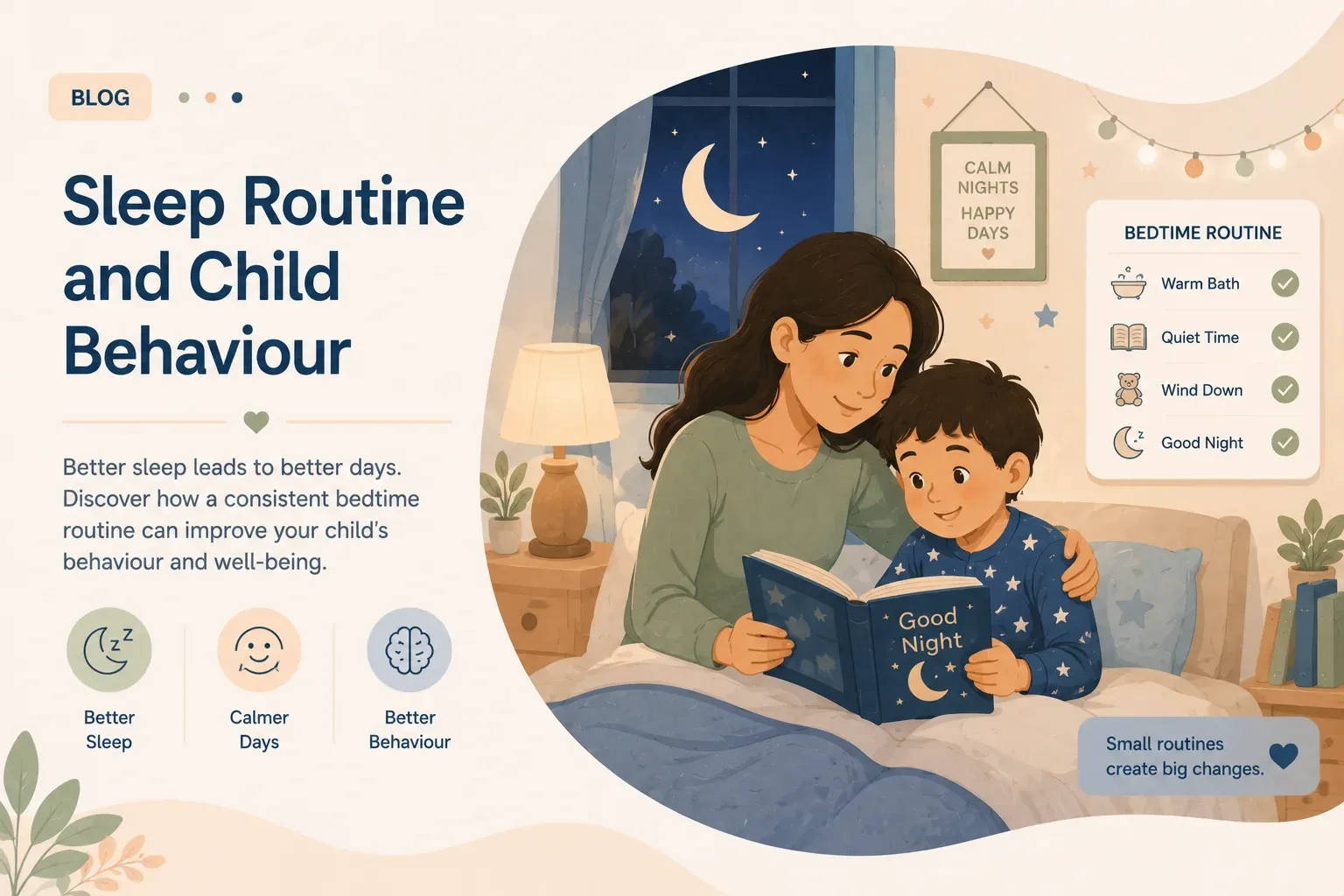
In many families raising a child with ADHD, autism, or sensory processing differences, bedtime becomes the single most emotionally exhausting part of the day.
A parent might describe a child who looked genuinely exhausted at dinner, but suddenly becomes hyper-energized at 8:00 PM. They start jumping on furniture, running down hallways, asking for water six times, negotiating for five more minutes, or dissolving into intense tears over the wrong pajamas.
What parents often interpret as deliberate defiance usually reflects a complex intersection of accumulated fatigue, emotional dysregulation, sensory sensitivity, and difficulty with transitions.
For children with ADHD, bedtime stacks several heavy executive function demands all at once: stopping a preferred activity, following multi step instructions, sequencing motor tasks, and calming internal attention. The child may be thoroughly exhausted, yet neurologically unable to settle.
In this article you'll learn
- The neurology of evening regulation: why tired children seek high stimulation instead of sleeping.
- The Racing Brain: why silence and darkness make internal thoughts and bodily sensations feel intense.
- Why traditional sleep training, cry-it-out, and reward sticker charts often backfire.
- How late-night screen transitions trigger meltdowns and how to build smooth off ramps.
- A practical, 7 step evening decompression schedule (from 6:30 PM to 8:30 PM) you can implement tomorrow.
The Dopamine Question: What Is Happening Neurologically?
ADHD involves neurological differences in how brain networks regulate attention, motivation, impulse inhibition, and emotional responses. Dopamine and norepinephrine are key neurotransmitters in these systems.
However, it is important to be clinically precise: we do not have evidence that dopamine simply plummets off a cliff at a specific hour every evening.
What actually happens is that as the child tires, their capacity to regulate attention, tolerate frustration, and manage multi-step transitions weakens significantly. At the same time, because quiet tasks require immense mental effort, their nervous system continues hunting for stimulating activities just to stay regulated. Some children also experience rebound irritability as stimulant medications wear off in the late afternoon or early evening.
The Shift in Perspective
The Racing Brain: Why Silence Anxieties Surface in the Dark
Imagine spending your entire day surrounded by noise, school expectations, movement, peer interaction, and rapid tasks. Then suddenly, the door shuts and the room goes pitch-black and silent.
For many neurodivergent children, that sudden absence of external stimulation causes their internal thoughts and bodily sensations to amplify:
- They begin intensely replaying an embarrassing moment or conflict from school that morning.
- They anticipate tomorrow's tests, social anxieties, or separation from parents.
- They become hyper-aware of their own heartbeat, breathing, shadows on the wall, or the hum of electrical appliances.
Some autistic children find bedtime especially stressful because of changes in sensory input, uncertainty, or breaking away from familiar day routines. However, each child is unique: while some find silence terrifying, others require complete quiet to down-regulate. The key is creating an individualized sensory profile rather than assuming every bedtime issue stems from the same cause.
Why Traditional Sleep Advice Often Backfires
Standard behavioral sleep advice is not inherently wrong, but applying a one-size-fits-all approach to neurodivergent children frequently compounds distress.
Rewards Cannot Teach a Missing Skill
Offering a sticker chart for staying in bed all night assumes the child has the internal tools to do so and simply lacks motivation. Rewards strengthen behaviors a child is already capable of executing; they cannot resolve sensory discomfort, biological sleep-wake delays, or severe separation anxiety.
Extinction ('Cry It Out') Increases Autonomic Alarm
Leaving an anxious neurodivergent child alone in a room to cry increases cortisol and triggers primal abandonment panic. The goal of clinical sleep support is not simply to silence a child's cries; it is to teach them that nighttime is safe, predictable, and manageable.
"If a child refuses to sleep, they are asserting dominance and need strict discipline."
Bedtime resistance in ADHD is almost always a combination of cognitive exhaustion, delayed melatonin signaling, and transition anxiety.
"Every neurodivergent child needs a weighted blanket."
Major neurological guidelines note weighted blankets do not routinely improve objective sleep outcomes. They should only be used if the child personally enjoys them and can lift them off safely.
"A successful bedtime means the child falls asleep within 5 minutes of lights out."
Neurodivergent children often take 30 to 45 minutes to transition into sleep. Rushing this window increases performance anxiety.
Screens and Evening Off-Ramps: Stopping the Meltdown
Tablets and phones interfere with sleep through two distinct channels:
- Circadian Disruption: Bright light exposure delays the natural release of melatonin. Many children with ADHD or autism already have natural circadian delays.
- Dopamine Transition Cliffs: Fast-paced games and videos deliver rapid novelty. When a parent suddenly snatches the device away, the child experiences a jarring transition from intense stimulation to low stimulation, triggering acute emotional dysregulation.
To prevent evening explosions, establish three non-negotiables: stop stimulating screen use 60 minutes before bed, provide multiple advance countdown warnings, and have a high-connection replacement activity ready (e.g., audiobooks, drawing, or shared reading).
The 7-Step Evening Protocol (8:30 PM Target Bedtime)
Consistency matters far more than perfection. Here is an evidence-based evening schedule you can adapt to your child's age and natural circadian rhythm:
Finish dinner, lower domestic demands, and allow relaxed family connection. Avoid turning the evening into a continuous interrogation about schoolwork.
Give a 5-minute warning, turn off fast-paced screens, and switch to quiet tactile activities like Lego, puzzles, or coloring.
A warm bath or shower, soft seam-free nightwear, gentle stretching, or deep pressure massage for children who find touch organizing.
Use a visual picture schedule for teeth, toilet, and pyjamas. Offer two acceptable choices ('Blue pyjamas or green pyjamas?') to give healthy autonomy.
Spend 10 focused minutes reading together, listening to worries without trying to solve them immediately, or sharing one favorite moment from the day.
Dim the lights, turn on white noise or soft audiobooks, repeat a consistent reassuring phrase, and sit beside the bed while gradually moving closer to the door over successive weeks.
Maintain quiet, calm boundaries without opening new debates. If your child is consistently wide awake at 8:30 PM, adjust the target time later to match their biological sleepiness rather than forcing a 90-minute wrestling match.
Parent Burnout & The Power of Co-Regulation
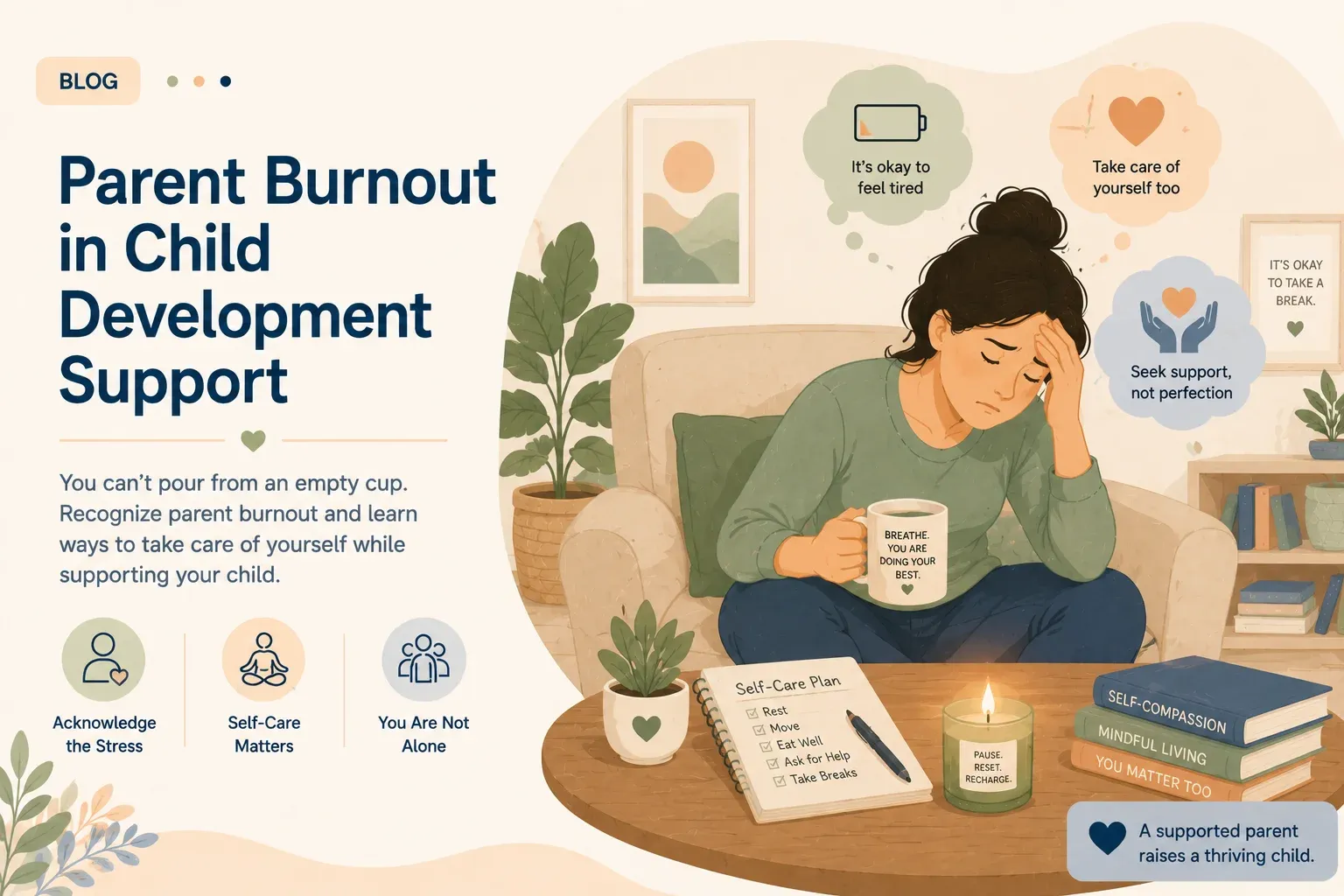
By 9:00 PM, many parents have expended every drop of emotional energy. When a child begins resisting, a parent's own stress response activates: voices get louder, threats are made, and both parent and child inadvertently escalate each other into crisis.
Co-regulation does not mean you must stay zen every second of every day. It means recognizing when your own internal thermometer is rising, taking a three-second breath, lowering your vocal pitch, and focusing on one single step at a time.
If you lose your temper and shout tonight, know that repair is always available tomorrow. Apologize sincerely, reconnect with warmth, and show your child that difficult moments can be healed.
Key Takeaways
- Bedtime resistance is driven by accumulated fatigue, sensory needs, and transition challenges, not willful stubbornness.
- Quiet rooms can amplify internal racing thoughts, requiring gentle background sound or connection.
- Standard sleep training fails when children lack the underlying regulation skills needed to settle independently.
- Gradual screen cutoffs with appealing calming alternatives prevent evening meltdown cliffs.
- Predictable visual schedules and parental co-regulation transform nighttime from a battlefield into a sanctuary.

Rabbia Ashraf
Clinical Psychologist & Certified ADOS-2 Practitioner
Rabbia Ashraf holds an MS in Clinical Psychology and specialized certification in the ADOS-2 (Autism Diagnostic Observation Schedule). She specializes in neurodevelopmental parent guidance, ADHD executive dysfunction, low-arousal strategies, and decoding complex assessment reports for families worldwide.
Need Strategic Clarity for Your Child?
Book a 50 minute private telehealth consultation with Clinical Psychologist Rabbia Ashraf. Receive a tailored 3 step action roadmap within 24 hours.
Private Off Screen Parent Format • 24 Hour Written Protocol • Encrypted Video