
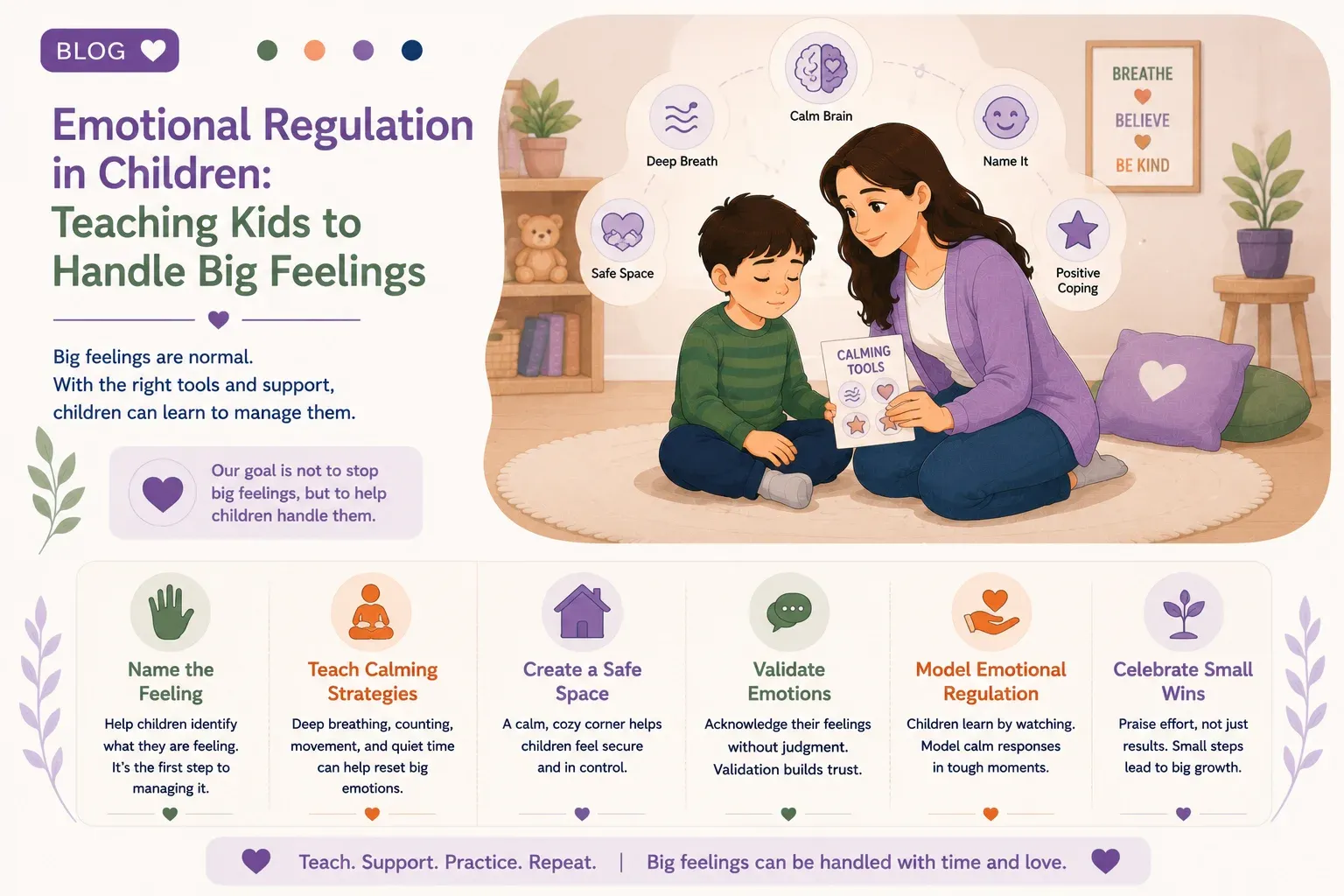
If you are reading this while sitting on the floor feeling completely exhausted, take a deep breath first.
In my clinical practice, one of the most heartbreaking things I hear from parents is: "Rabbia, he just won’t stop moving, and then out of nowhere he screams, throws things, or breaks down crying. Am I failing as a parent?"
The answer is an emphatic no. You are not failing, and your child is not giving you a hard time. They are having a hard time.
Hyperactivity vs. An ADHD Meltdown: What Is Really Happening?
Most people think hyperactivity just means having "too much energy." But in an ADHD brain, hyperactivity is actually the nervous system's way of desperately seeking stimulation or trying to regulate itself.
When an ADHD child is running in circles, fidgeting, interrupting, or unable to sit still, their brain's braking system (executive function) is working on low fuel.
A meltdown is not a tantrum. A tantrum is purposeful and stops once a goal is met. A meltdown is a fight-or-flight flood. In that moment, the thinking part of your child's brain is offline.
What to Do During the Meltdown: The 3 "S" Rule
When your child is exploding or sobbing uncontrollably, logic will not work. Don't explain why they shouldn't hit, don't demand an apology, and don't threaten consequences. Save the teaching for later. Right now, use the 3 S's:
1. Safety First
Quietly move dangerous objects away. If they are flailing or banging their head, place a soft pillow or blanket nearby. Keep your body calm and non-threatening.
2. Silence (Stop Talking)
Every sentence you speak is more sensory noise for an overloaded brain. Lower your voice or say nothing at all. Use simple, reassuring anchors: "I'm right here. You're safe." That's it.
3. Soothing Presence (Co-Regulation)
Children borrow their parents' nervous systems. If your adrenaline spikes, theirs will too. Sit on the floor nearby. Don't force a hug if they push you away; just stay anchored like a lighthouse in the storm.
What to Do Afterwards (The Repair)
Once their breathing slows down and the storm passes, children with ADHD often feel intense shame or exhaustion.
Offer a glass of water. A gentle hug. And say: "That felt really big and scary, didn't it? I'm so proud of how your body calmed down. We'll figure this out together."
A Personal Clinical Reminder from Rabbia

Rabbia Ashraf
Clinical Psychologist | Child & Adolescent Development
Rabbia Ashraf is a dedicated Clinical Psychologist specializing in child and adolescent development. She provides parent coaching, developmental guidance, and psychoeducation.
Need Professional Guidance?
Book a consultation with Rabbia Ashraf to discuss your child's development and receive evidence-based recommendations.