Screen Time and Emotional Regulation
Understand the neurological reasons behind screen-time meltdowns and learn practical parent strategies to manage transitions without the battle.
Practical, parent-friendly articles on child development, ADHD, autism, behaviour, emotional regulation, learning difficulties, school support, assessments, and home routines.
Understand the neurological reasons behind screen-time meltdowns and learn practical parent strategies to manage transitions without the battle.

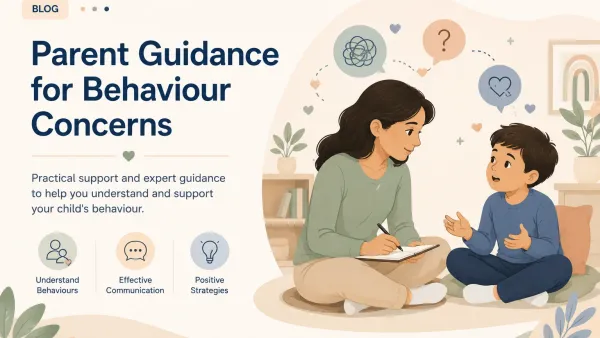
When traditional discipline fails, parent guidance helps. Learn how understanding the 'why' behind behaviour and changing your response can transform your home.

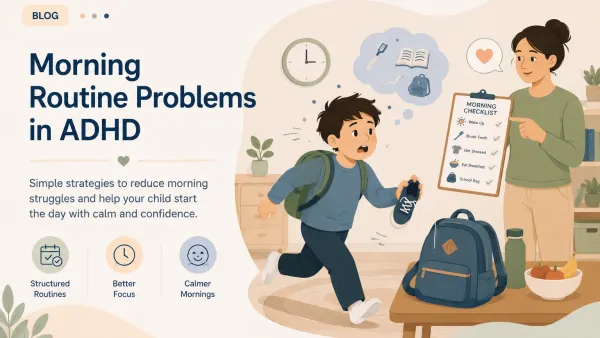
Mornings are often the hardest part of the day for families with ADHD. Understand the executive function struggles behind morning chaos and learn practical parent strategies.

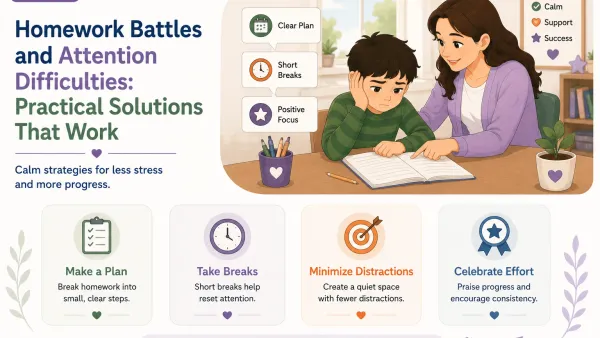
Why homework is a battleground for children with attention difficulties and how parents can help.

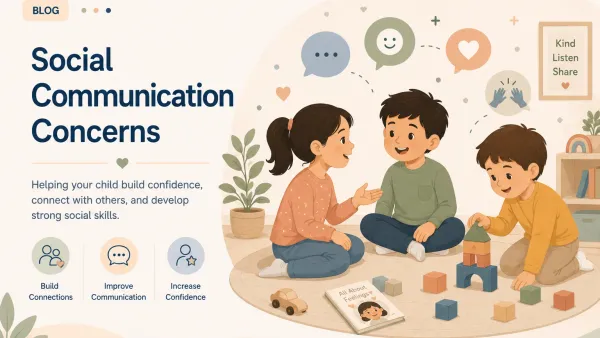
Understanding the difference between speech delays and social communication challenges in young children.

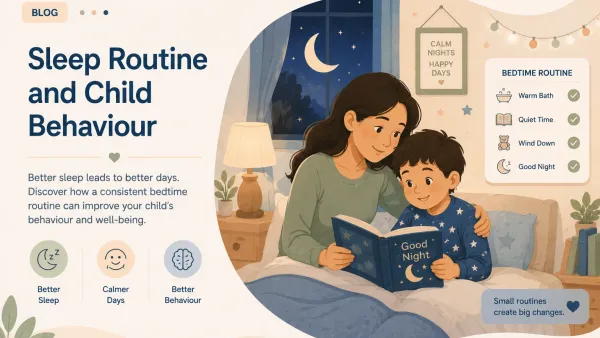
How sleep impacts behaviour, emotional regulation, and attention, plus practical strategies for better bedtime routines.
Supporting a child with developmental differences is exhausting. Learn why parent burnout happens and how to manage it.

A guide for parents on how to navigate IEP meetings and ensure their child receives the right support.

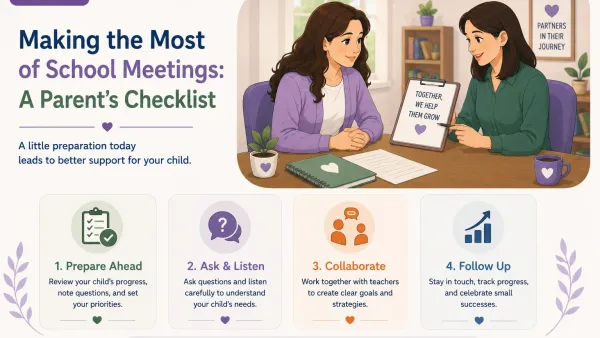
Don't go into a school meeting unprepared. Use this checklist to organize your thoughts, ask the right questions, and secure practical accommodations.

Understand sensory processing differences in children, how to spot sensory overload, and practical ways to create a sensory-friendly home.

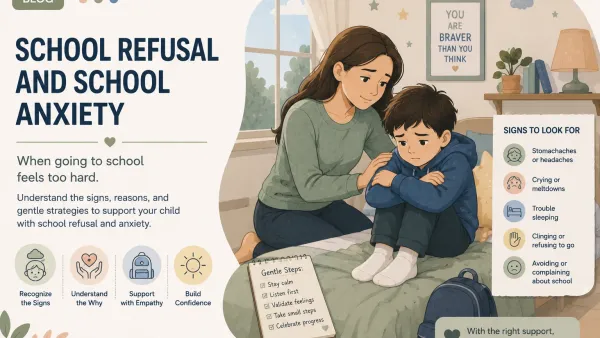
When a child refuses to go to school, it is a sign of intense anxiety, not defiance. Learn how to support your child and communicate with the school.

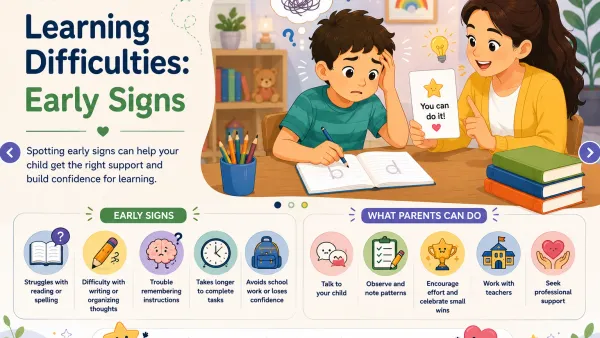
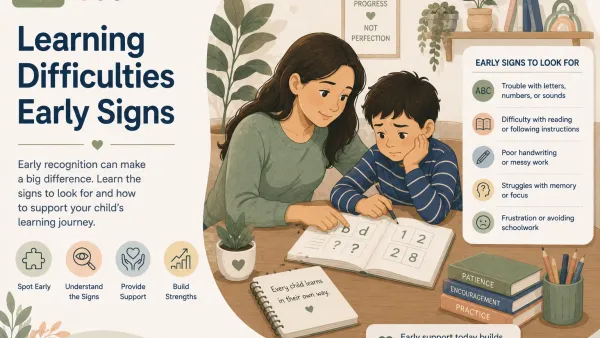
Learn how to spot the early signs of learning difficulties, like dyslexia or dyscalculia, and how to advocate for your child at school.
Emotional regulation is a learned skill, not an automatic one. Why co-regulation is the key to helping your child manage big feelings.
Not all late talkers have autism. Learn how social communication differences set ASD apart from a simple speech delay.
Children don't act out for no reason. Learn how to map triggers and understand what your child is trying to tell you.
Practical tips to reduce anxiety and explain testing to your child without making them feel broken.
How to decode standard scores, percentiles, and clinical language so you can advocate for your child.
You have the diagnosis, but what do you do at home? A guide to focusing on support over labels.
How to know if your child's struggles are a normal part of development or if it's time to get a professional opinion.
A guide for parents on what to look for regarding communication, social interaction, and sensory processing differences.
Why the traditional advice to 'ignore it' doesn't work for sensory meltdowns and what to do instead.

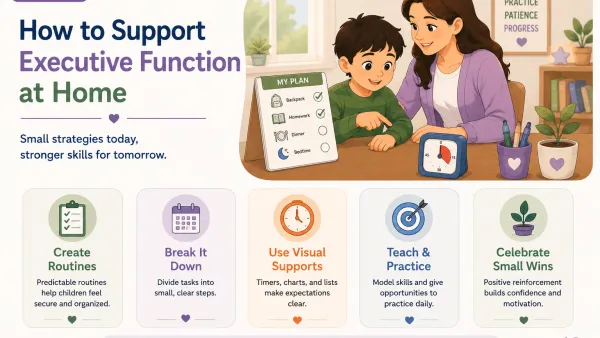
Practical tips to help your child start tasks, organize belongings, and remember instructions.
Stopping screen time is not always simple for children. Screens can strongly activate reward, desire, and emotional regulation systems.
Not every child with ADHD is visibly hyperactive. Some children struggle more with attention, organization, forgetfulness, or impulsivity.
Turn reading into action. Get a personalized plan for your family's unique situation.