
IEP and School Support Planning: A Parent's Guide

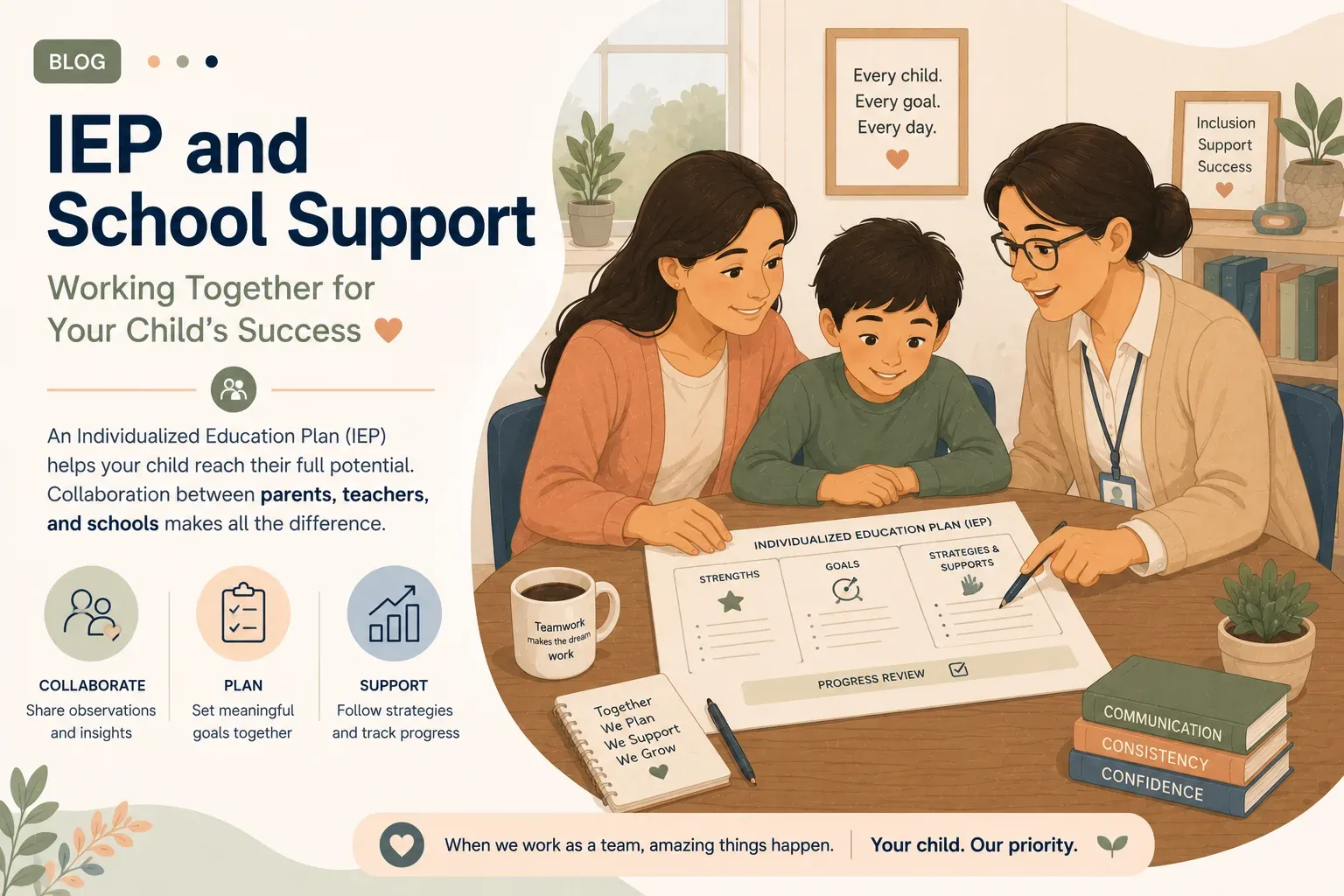
Quick Facts
In this article you'll learn
- The purpose of an Individualized Education Program (IEP)
- How to use psychological assessment reports effectively
- Examples of practical, evidence-based classroom accommodations
- How to communicate collaboratively with teachers
- When to bring a clinical professional into the process
What is an IEP or Support Plan?
An Individualized Education Program (IEP) or a specialized support plan is a formal document designed to ensure that a child with an identified disability or learning difference receives specialized instruction and related services.
It is not a punishment, and it does not mean your child is "less than." It levels the playing field. Think of an IEP like giving glasses to a child who is near-sighted; it provides the specific tool they need to access the curriculum.
The Role of Assessment Reports
To get an IEP, the school needs data. A formal psychoeducational assessment provides the roadmap.
The report will identify the specific cognitive or academic roadblock (e.g., poor working memory, dyslexia, or ADHD) and provide a list of recommended accommodations. This document is your strongest tool when advocating for your child, as it shifts the conversation from "opinion" to "clinical evidence."
"Having an IEP will stigmatize my child forever."
Unsupported learning difficulties cause far more stigma and self-esteem damage than an IEP. A good support plan allows a child to experience success, building their confidence.
Requesting the Right Accommodations
Accommodations change how a child learns, not what they learn. The best accommodations are highly specific.
What Parents Can Do Today
- For ADHD/Attention: Request seating near the point of instruction, frequent movement breaks, and visual checklists on their desk.
- For Dyslexia/Reading: Request audiobooks, extra time on written tests, and not being forced to read aloud without preparation.
- For Sensory/Autism: Request the ability to wear noise-canceling headphones, access to a quiet 'chill out' space, and warnings before loud alarms.
- For Executive Function: Request that the teacher checks the child's planner at the end of the day, and break long projects into weekly mini-deadlines.
Communicating with Teachers
Teachers want their students to succeed, but they are often managing 30 different needs at once. Approach the IEP meeting as a collaboration, not a battle.
Instead of saying, "You need to fix this," try saying, "We notice he is melting down after math class. What are you seeing in the classroom, and how can we work together to support him?"
Always send a follow-up email after a meeting summarizing what was agreed upon so there is a written record of the plan.
When to Seek a School Consultation
Sometimes, despite your best efforts, the school plan is not working, or the school refuses to implement the recommendations in the psychological report.
A School/IEP Consultation with a clinical psychologist can be invaluable. The psychologist can review the existing IEP, explain the clinical data to the school staff in educational terms, and help draft highly specific, legally sound accommodations that the school can actually implement.
Disclaimer: This article is for educational guidance only and does not replace a professional developmental, psychological, or medical assessment. If you are concerned about your child’s development, behaviour, attention, learning, or communication, it is helpful to consult a qualified professional.
Key Takeaways
- An IEP is a tool that levels the playing field for children with learning differences.
- A formal psychoeducational assessment provides the clinical evidence needed for support.
- Request specific accommodations (e.g., 'extra time') rather than vague concepts.
- Approach school meetings collaboratively, and always get the plan in writing.
- A clinical psychologist can consult with the school if the plan is not working.
Frequently Asked Questions
What does an IEP do for my child?
An Individualized Education Program (IEP) is a formal plan that legally outlines the special education instruction, supports, and accommodations your child needs to succeed in school.
Do I need a formal diagnosis to get school support?
It depends on the school system, but generally, yes. A formal psychoeducational assessment provides the data necessary to prove a child needs specific accommodations.
What if the school says they don't have the resources?
Many effective accommodations (like seating a child near the teacher, allowing sensory breaks, or reducing homework volume) cost nothing. A clinical psychologist can help you advocate for practical, low-cost strategies.
Rabbia Ashraf
Clinical Psychologist | Child & Adolescent Development
Rabbia Ashraf is a dedicated Clinical Psychologist specializing in child and adolescent development. She provides parent coaching, developmental guidance, and psychoeducation.
Need Professional Guidance?
Book a consultation with Rabbia Ashraf to discuss your child's development and receive evidence-based recommendations.
Related Articles
School Meeting Checklist
Don't go into a school meeting unprepared. Use this checklist to organize your thoughts, ask the right questions, and secure practical accommodations.
Homework Battles and Attention Difficulties
Why homework is a battleground for children with attention difficulties and how parents can help.
School Refusal and School Anxiety
When a child refuses to go to school, it is a sign of intense anxiety, not defiance. Learn how to support your child and communicate with the school.
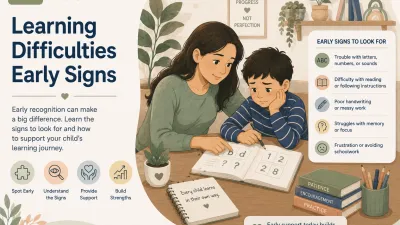
Learning Difficulties Early Signs
Learn how to spot the early signs of learning difficulties, like dyslexia or dyscalculia, and how to advocate for your child at school.
Table of Contents
Related Articles
School Meeting Checklist
Don't go into a school meeting unprepared. Use this checklist to organize your thoughts, ask the right questions, and secure practical accommodations.
Homework Battles and Attention Difficulties
Why homework is a battleground for children with attention difficulties and how parents can help.
School Refusal and School Anxiety
When a child refuses to go to school, it is a sign of intense anxiety, not defiance. Learn how to support your child and communicate with the school.
Learning Difficulties Early Signs
Learn how to spot the early signs of learning difficulties, like dyslexia or dyscalculia, and how to advocate for your child at school.