
Sensory Processing Difficulties: When the World is Too Loud

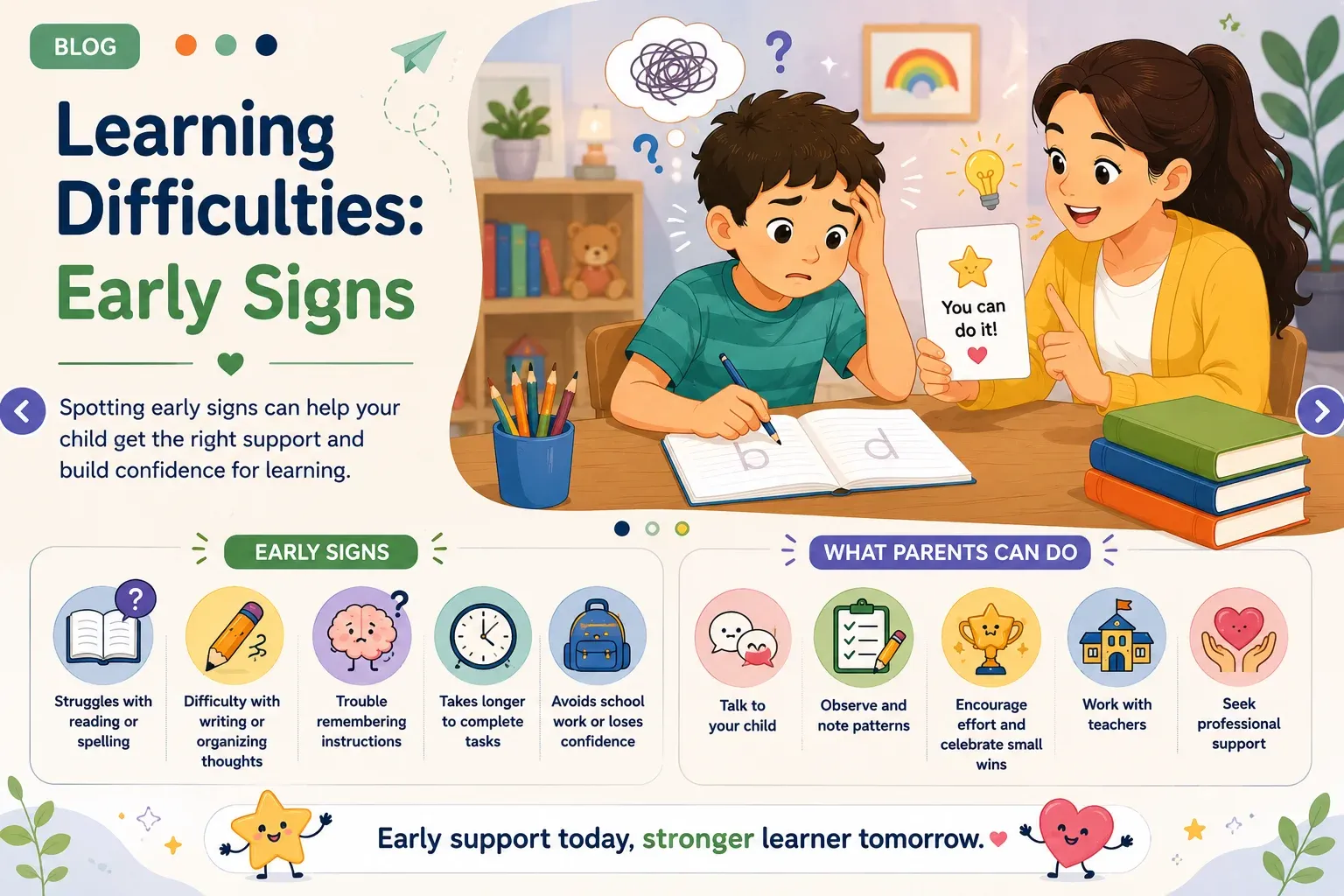
Quick Facts
In this article you'll learn
- How the brain processes sensory information
- The difference between sensory avoiding and sensory seeking
- Why sensory differences are so common in autism and ADHD
- How sensory overload leads to meltdowns
- Practical ways to create a sensory-friendly home
What is Sensory Processing?
Sensory processing is how our brain takes in information from our senses, organizes it, and responds to it. While we usually think of the five main senses (sight, sound, smell, taste, touch), occupational therapists also look at two critical hidden senses:
- Proprioception: Body awareness. Knowing where your body is in space without looking.
- Vestibular: Balance and movement. The sense of motion and gravity.
When a child's brain struggles to filter or organize this information, they experience a "traffic jam" of sensory input.
Sensory Seeking vs. Sensory Avoiding
Sensory difficulties usually present in one of two ways, and many children show a mix of both.
The Sensory Avoider (Over-Responsive)
This child's nervous system feels sensory input too intensely. A light touch feels like a hit. A normal classroom feels like a rock concert.
- Covers ears for everyday noises (blenders, hand dryers).
- Refuses to wear certain clothes, hates tags, or only wears soft pants.
- Avoids messy play, getting their hands dirty, or certain food textures.
The Sensory Seeker (Under-Responsive)
This child's nervous system does not register sensory input easily. They need more input just to feel normal and regulated.
- Constantly jumping, crashing into couches, or spinning.
- Chewing on shirt collars, pencils, or toys.
- Playing very roughly, not realizing their own strength.
"They just need to get used to the noise; they are being dramatic."
You cannot 'discipline' a sensory difference away. Forcing a sensory avoider into a loud, overwhelming environment will only trigger a 'fight or flight' meltdown.
The Link with Autism and ADHD
While any child can have sensory processing difficulties, they are extremely common in neurodivergent children.
In autism, sensory differences are actually part of the core diagnostic criteria. Autistic children may find certain sensory inputs painful, while using repetitive movements (like hand-flapping) to actively regulate their nervous system.
In ADHD, children are often sensory seekers, moving their bodies constantly to generate the stimulation their brain craves to focus.
Practical Home Strategies
The goal is to create a "sensory diet"—a plan that provides the right sensory input to keep the child regulated throughout the day.
What Parents Can Do Today
- For Avoiders: Provide noise-canceling headphones for loud environments. Remove tags from clothing and buy seamless socks.
- For Seekers: Build 'heavy work' into the routine. Have them push a laundry basket, carry groceries, or jump on a safe mini-trampoline.
- For Oral Seekers: Provide safe, dedicated chew-jewelry rather than constantly telling them to 'stop chewing your shirt.'
- Create a safe retreat: Have a dim, quiet 'calm corner' (like a pop-up tent) where they can retreat when overwhelmed.
When to Seek Professional Support
If sensory differences are severely restricting a child's diet, preventing them from attending school, or causing daily, explosive meltdowns, it is time to seek support.
A developmental assessment and parent consultation can help you design a home and school environment that respects their sensory needs, often in collaboration with an Occupational Therapist.
Disclaimer: This article is for educational guidance only and does not replace a professional developmental, psychological, or medical assessment. If you are concerned about your child’s development, behaviour, attention, learning, or communication, it is helpful to consult a qualified professional.
Key Takeaways
- Sensory processing differences cause a 'traffic jam' in the nervous system.
- Sensory avoiders find everyday input painful or overwhelming.
- Sensory seekers need intense movement or pressure to feel regulated.
- Sensory overload is a leading cause of involuntary meltdowns.
- Accommodate, don't force. Use tools like headphones and safe chewables.
Frequently Asked Questions
Why does my child cover their ears for normal sounds?
For a child with sensory processing differences, a vacuum cleaner or a hand dryer doesn't just sound 'loud'—it can sound physically painful. Their brain does not filter out background noise the way a neurotypical brain does.
Is being a 'picky eater' always a sensory issue?
Often, yes. Many children restrict their diet not because of the taste, but because of the texture. For example, a blueberry is unpredictable (some are mushy, some are tart), whereas a cracker is the exact same texture every time.
Can sensory overload cause meltdowns?
Absolutely. When a child takes in more sensory information than their nervous system can process, their brain triggers a 'fight or flight' response, resulting in a meltdown.
Rabbia Ashraf
Clinical Psychologist | Child & Adolescent Development
Rabbia Ashraf is a dedicated Clinical Psychologist specializing in child and adolescent development. She provides parent coaching, developmental guidance, and psychoeducation.
Need Professional Guidance?
Book a consultation with Rabbia Ashraf to discuss your child's development and receive evidence-based recommendations.
Related Articles
Social Communication Concerns
Understanding the difference between speech delays and social communication challenges in young children.
Speech Delay vs Autism: Understanding the Difference
Not all late talkers have autism. Learn how social communication differences set ASD apart from a simple speech delay.
Parent Guidance After an Autism Diagnosis: What Next?
You have the diagnosis, but what do you do at home? A guide to focusing on support over labels.
Autism Early Signs Parents Should Notice
A guide for parents on what to look for regarding communication, social interaction, and sensory processing differences.
Table of Contents
Related Articles
Social Communication Concerns
Understanding the difference between speech delays and social communication challenges in young children.
Speech Delay vs Autism: Understanding the Difference
Not all late talkers have autism. Learn how social communication differences set ASD apart from a simple speech delay.
Parent Guidance After an Autism Diagnosis: What Next?
You have the diagnosis, but what do you do at home? A guide to focusing on support over labels.
Autism Early Signs Parents Should Notice
A guide for parents on what to look for regarding communication, social interaction, and sensory processing differences.