
Tantrum vs Meltdown: What is the Difference?

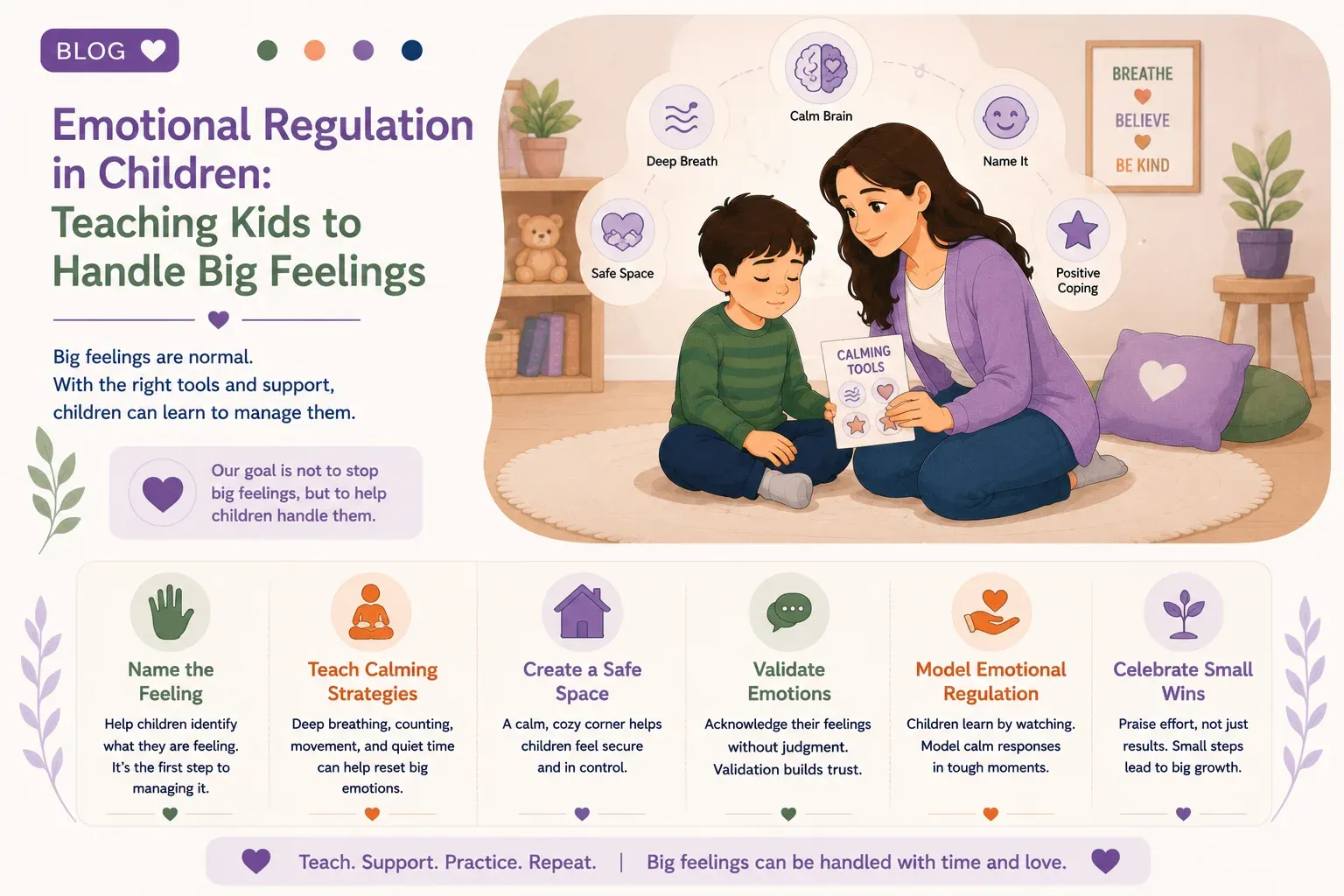
Quick Facts
In this article you'll learn
- The goal-driven nature of a tantrum
- The neurological overload behind a meltdown
- Key signs to help you tell the difference in the moment
- Why you can't reason with a meltdown
- Effective, distinct strategies for responding to both
What is a Tantrum?
A tantrum is goal-driven behaviour. The child wants something—a toy, a candy bar, or to stay at the park—and they are using an intense emotional display to try and get it.
During a tantrum, the child is still largely in control of their behaviour. They are actively monitoring your reaction to see if their strategy is working.
What is a Meltdown?
A meltdown is a neurological reaction to being overwhelmed. It is not goal-driven. The child's nervous system has taken in more sensory, emotional, or cognitive information than it can process.
During a meltdown, the brain's 'fight or flight' response has taken over. The child is no longer in control of their behaviour and they are not looking for an audience or a reward.
How to Tell the Difference
In the heat of the moment, look for these clues:
- The Audience Check: A child having a tantrum will occasionally check to see if you are watching. A child having a meltdown does not care if anyone is there.
- The Resolution: If you give a child what they want during a tantrum, it usually stops immediately. If you give a child what they want during a meltdown, they usually keep crying because their nervous system is still overloaded.
- Safety: A child having a tantrum will usually make sure they don't get hurt when they throw themselves down. A child in a meltdown may act without any regard for their own safety.
"Older children don't have meltdowns; they just need more discipline."
While tantrums usually decrease with age as children learn to communicate, meltdowns can happen at any age (even adulthood) if the person's neurological threshold for stress or sensory input is crossed.
How to Respond to a Tantrum
Because a tantrum is a learned behaviour to achieve a goal, the best response is clear boundaries and lack of reward.
What Parents Can Do Today
- Acknowledge the feeling briefly: 'I know you are mad we are leaving the park.'
- Hold the boundary: Do not give in to the demand, or you teach them that screaming works.
- Ignore the behaviour (if safe): Do not provide excessive attention, eye contact, or arguing while they are screaming.
- Praise the calm down: Once they settle, offer positive attention and transition to the next activity.
How to Respond to a Meltdown
Because a meltdown is an involuntary stress response, you cannot discipline or reason it away. Your goal is strictly safety and de-escalation.
What Parents Can Do Today
- Reduce input: Turn off lights, stop talking, and move them to a quiet space if possible.
- Provide a calm presence: Sit near them. You do not need to speak; your calm, regulated body language helps co-regulate their nervous system.
- Wait it out: Do not ask questions or make demands ('Tell me what's wrong!'). Their brain's language center is currently offline.
- Offer comfort later: Once the storm passes, they will likely be exhausted. Offer a drink, a hug, or a quiet activity.
When to Seek Professional Guidance
Frequent meltdowns are often a sign of underlying challenges, such as sensory processing differences, autism, or anxiety.
If your child is having daily meltdowns that impact family life, school, or safety, a parent guidance consultation can help you identify their specific triggers and develop a proactive plan to reduce overload before it happens.
Disclaimer: This article is for educational guidance only and does not replace a professional developmental, psychological, or medical assessment. If you are concerned about your child’s development, behaviour, attention, learning, or communication, it is helpful to consult a qualified professional.
Key Takeaways
- A tantrum is a goal-driven behaviour used to get a desired outcome.
- A meltdown is an involuntary neurological response to being overwhelmed.
- Giving in stops a tantrum, but it does not stop a meltdown.
- For tantrums, hold the boundary and do not reward the behaviour with excessive attention.
- For meltdowns, reduce sensory input, stay quiet, and provide a calm, safe presence.
Frequently Asked Questions
What is the main difference between a tantrum and a meltdown?
A tantrum is goal-driven; the child wants something and will usually calm down once they get it or realize they won't. A meltdown is caused by sensory or emotional overload; the child has lost control and cannot be reasoned with until they feel safe and calm.
Should I ignore a meltdown?
No. While ignoring can sometimes work for attention-seeking tantrums, ignoring a meltdown can be harmful. A child having a meltdown is in distress and needs a calm, supportive presence to co-regulate.
Do only autistic children have meltdowns?
No. While meltdowns are common in children with autism and ADHD due to sensory and emotional regulation challenges, any child (or adult) can experience a meltdown if pushed past their neurological limits of stress and exhaustion.
Rabbia Ashraf
Clinical Psychologist | Child & Adolescent Development
Rabbia Ashraf is a dedicated Clinical Psychologist specializing in child and adolescent development. She provides parent coaching, developmental guidance, and psychoeducation.
Need Professional Guidance?
Book a consultation with Rabbia Ashraf to discuss your child's development and receive evidence-based recommendations.
Related Articles
Screen Time and Emotional Regulation
Understand the neurological reasons behind screen-time meltdowns and learn practical parent strategies to manage transitions without the battle.
Parent Guidance for Behaviour Concerns
When traditional discipline fails, parent guidance helps. Learn how understanding the 'why' behind behaviour and changing your response can transform your home.
Sleep Routine and Child Behaviour
How sleep impacts behaviour, emotional regulation, and attention, plus practical strategies for better bedtime routines.
Emotional Regulation in Children: Why They Struggle to Calm Down
Emotional regulation is a learned skill, not an automatic one. Why co-regulation is the key to helping your child manage big feelings.
Table of Contents
Related Articles
Screen Time and Emotional Regulation
Understand the neurological reasons behind screen-time meltdowns and learn practical parent strategies to manage transitions without the battle.
Parent Guidance for Behaviour Concerns
When traditional discipline fails, parent guidance helps. Learn how understanding the 'why' behind behaviour and changing your response can transform your home.
Sleep Routine and Child Behaviour
How sleep impacts behaviour, emotional regulation, and attention, plus practical strategies for better bedtime routines.
Emotional Regulation in Children: Why They Struggle to Calm Down
Emotional regulation is a learned skill, not an automatic one. Why co-regulation is the key to helping your child manage big feelings.