
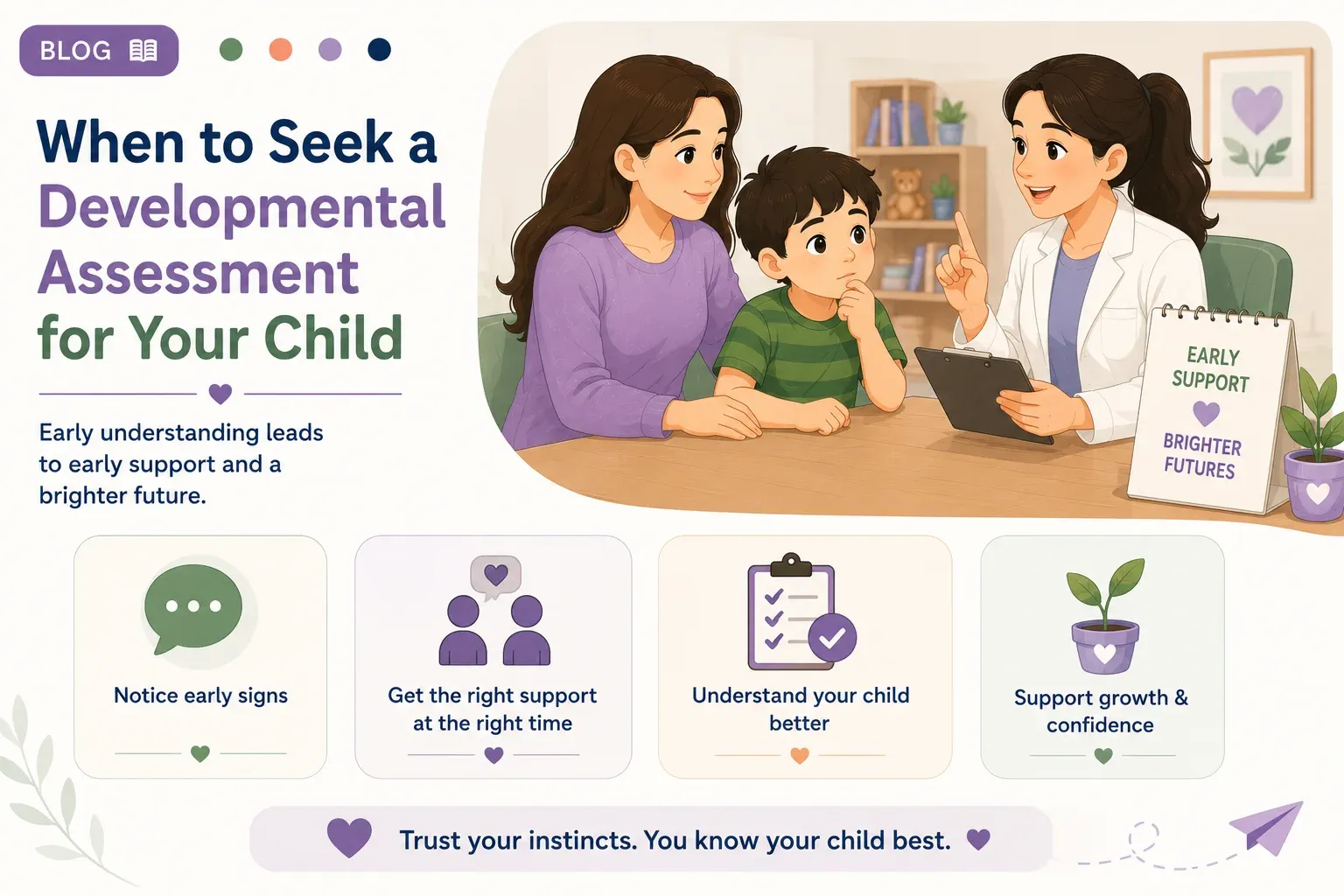
Whether you are waiting for an NHS developmental paediatrician in the UK, navigating insurance queues in the US, or seeking clinic slots in Dubai, Lahore, or Toronto, the story is the same: the waiting lists are painfully long.
Waiting 6, 12, or even 18 months for a formal diagnostic appointment feels paralyzing. But sitting passively in limbo is a missed opportunity. What you do right now at home determines how clear and actionable your assessment will be when your appointment finally arrives.
In this article you'll learn
- Why waiting passively for an assessment wastes precious early intervention time.
- How active and passive screen overexposure clouds the clinical diagnostic picture.
- How to create a 30-to-60 second video log of natural home struggles.
- How to organize a concise behavioral trigger dossier for clinicians.
What You Must STOP Doing Today: Cut Screen Saturation
The single most impactful change parents must make while on a waitlist is to eliminate both active and passive screen time.
In my clinical practice, many behaviors that look identical to ADHD, autism spectrum challenges, or severe emotional outbursts are exacerbated by constant digital overstimulation. High-pace cartoons, tablet gaming, and background televisions over-saturate dopamine and heighten nervous system irritability. Removing screens clears the fog so clinicians can evaluate your child’s true neurological baseline rather than screen-induced dysregulation.
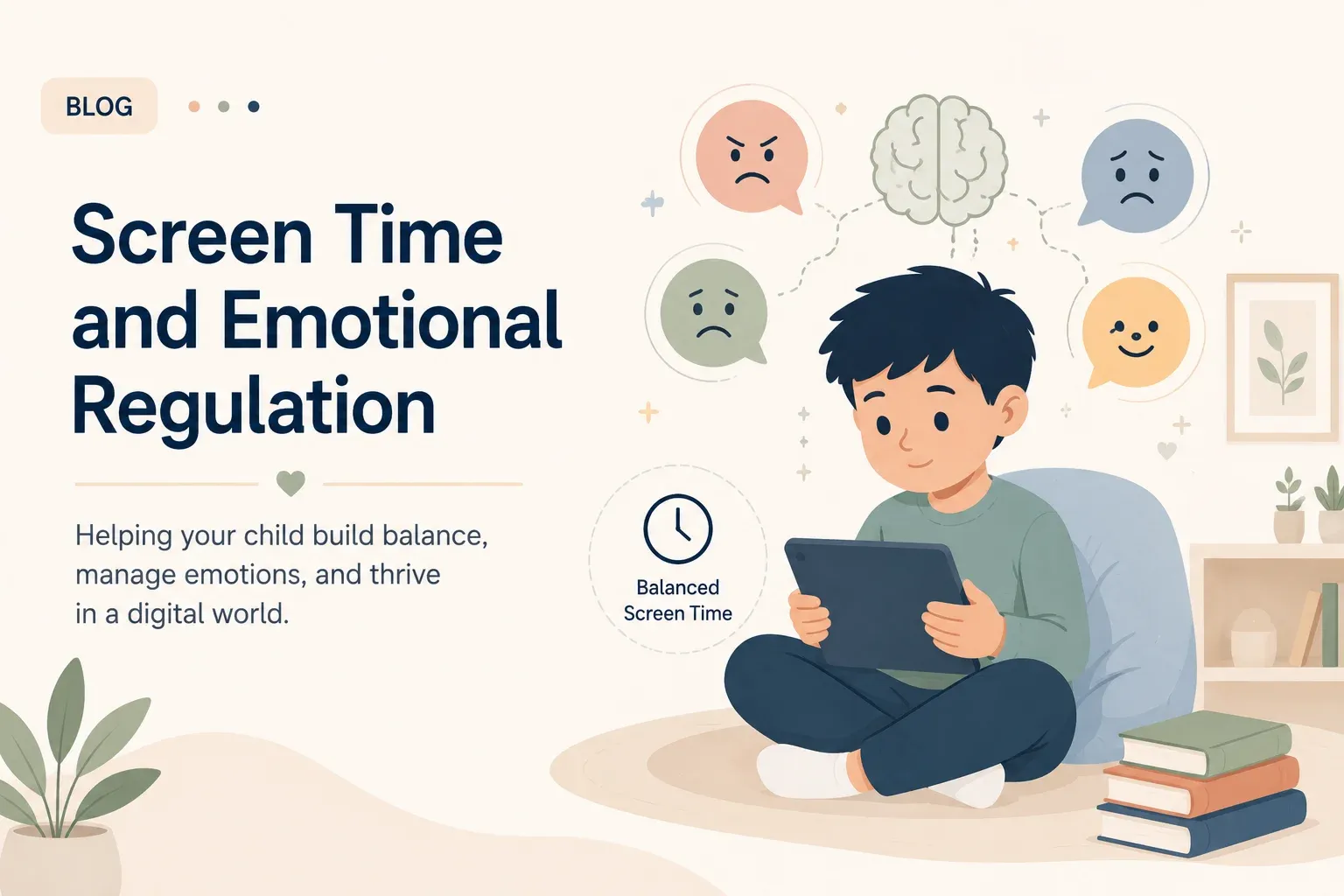
Removing passive and active screen saturation allows your child's natural baseline to emerge.
Two High-Value Things to START Doing at Home
When you finally sit across from a clinical psychologist or developmental paediatrician, the pressure is immense. Parents frequently forget crucial examples when asked on the spot. Here is how to prepare foolproof documentation:
1. Build a Video Library of Natural Challenges
Children often act completely different in a quiet clinical consultation room (known as the "white-coat effect"). A child who screams at home when asked to put on shoes might sit politely on a doctor's sofa for 30 minutes.
Keep your phone handy and capture brief 30–60 second video clips of real-life struggles:
- Attempting a basic daily task (brushing teeth, tidying up blocks).
- A typical sensory reaction to loud household appliances or clothing tags.
- How your child communicates when they are frustrated or tired.
2. Maintain a Bulleted Trigger & Routine Log
Do not write long essays. Simply keep a digital note with dates, times, and patterns: "Tuesday 4:00 PM: intense meltdown upon switching off toy; took 25 minutes to co-regulate."
When you hand a concise, evidence-backed dossier to the assessing psychologist, you cut through months of ambiguity and accelerate their clinical diagnostic insights.
"We cannot start any accommodations or strategies at home until we have the formal diagnostic paper in hand."
Evidence-based sensory accommodations, visual routines, and emotional co-regulation work right now. You never have to wait for diagnostic paperwork to support your child's nervous system.
Always record when the child is engaged in typical daily challenges (transitions, shoe-tying, mealtime). A 45-second video clip is worth 20 pages of verbal descriptions during a diagnostic appointment.
Key Takeaways
- Eliminate both active tablet gaming and passive background television immediately.
- Capture short video clips showing how your child behaves in their natural home environment.
- Keep an objective trigger and routine log with dates and times for the assessing clinician.
- Start implementing home sensory adaptations without waiting for formal paperwork.
Frequently Asked Questions
What is the difference between active and passive screen time?
Active screen time includes direct phone/tablet tapping, video games, and fast-paced interactive media. Passive screen time is having televisions, news, or cartoons running in the background while the child plays. Both stimulate the nervous system and fragment attention.
Can parent guidance help while we are on the waitlist?
Yes. You do not need a formal diagnosis to start implementing sensory accommodations, communication scaffolding, and emotional co-regulation routines. Parent guidance supports your family immediately.
Don't let the waitlist leave you feeling helpless. Book an online parent consultation to review your observations, streamline home routines, and prepare your documentation before your clinic appointment.