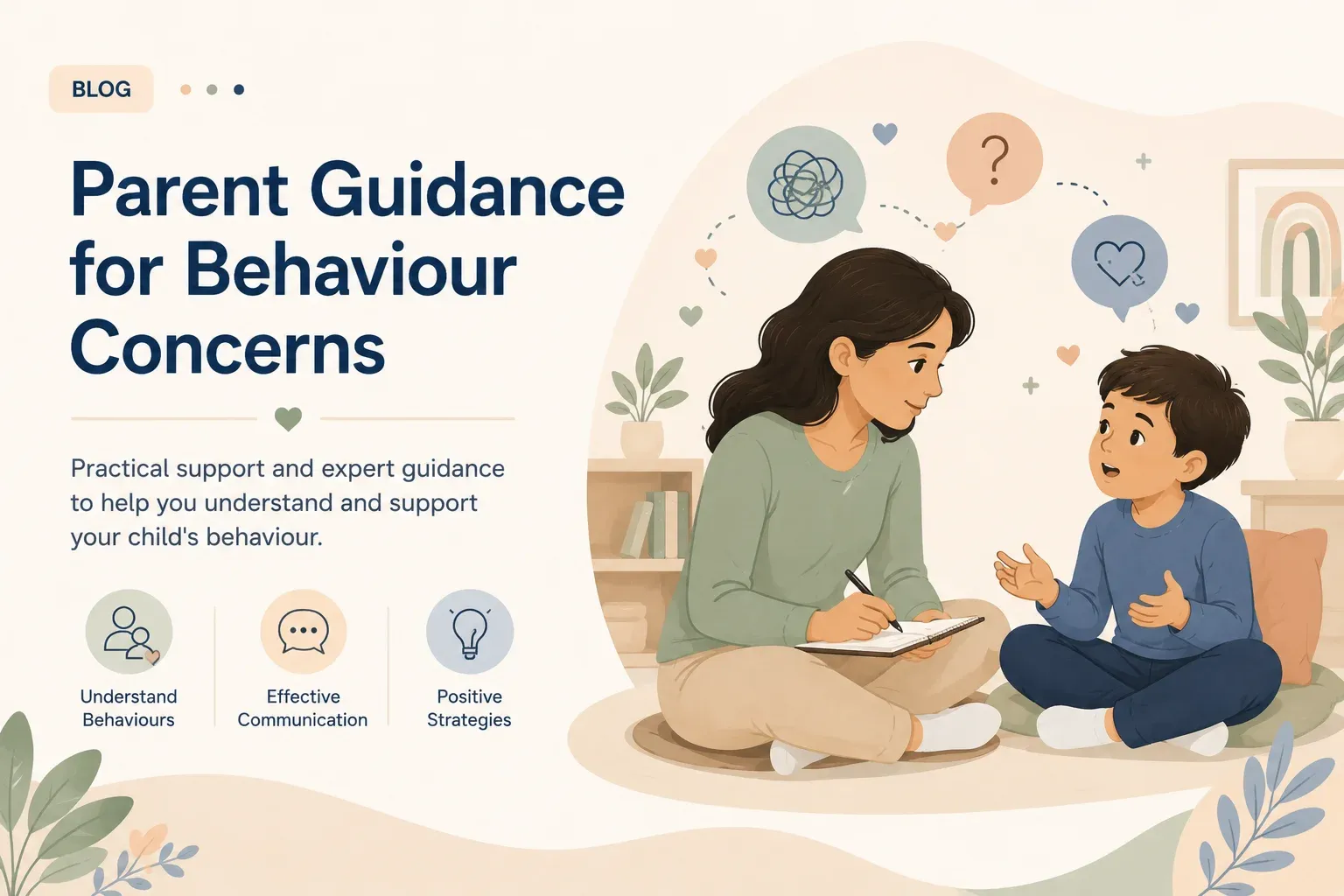
If you are parenting a neurodivergent child within a multigenerational or joint family household, you are fighting two battles every single day: managing your child's developmental needs, and managing the constant judgment of extended family and in-laws.
In South Asian, Middle Eastern, and broader Asian cultural settings, the comments are exhausting and predictable:
- "You have spoiled him with too much modern pampering."
- "In our day, one good slap or strict punishment fixed this stubbornness immediately."
- "There is nothing wrong with his brain—it is just too much screen time and too much sugar."
Hearing this from parents or in-laws leaves you feeling isolated, guilty, and constantly second-guessing yourself.
In this article you'll learn
- Why generational discipline methods like spanking fail for ADHD brains.
- How to navigate cultural blame, in-laws' criticism, and joint family friction.
- How to use the medical 'Diabetes Analogy' to shift family mindsets.
- How to establish protective behavioral boundaries inside a multigenerational household.
Why Harsh Discipline and Punishment Always Fail
Generational discipline methods (spanking, scolding, shaming) were designed around the assumption that misbehavior is an intentional act of defiance. But with ADHD, autism, or executive dysfunction, the child lacks executive control over their brain’s braking system.
You cannot spank away a neurological dopamine deficiency. Harsh punishment does not teach self-regulation—it floods an already overwhelmed nervous system with adrenaline, escalating meltdowns and shattering emotional security.
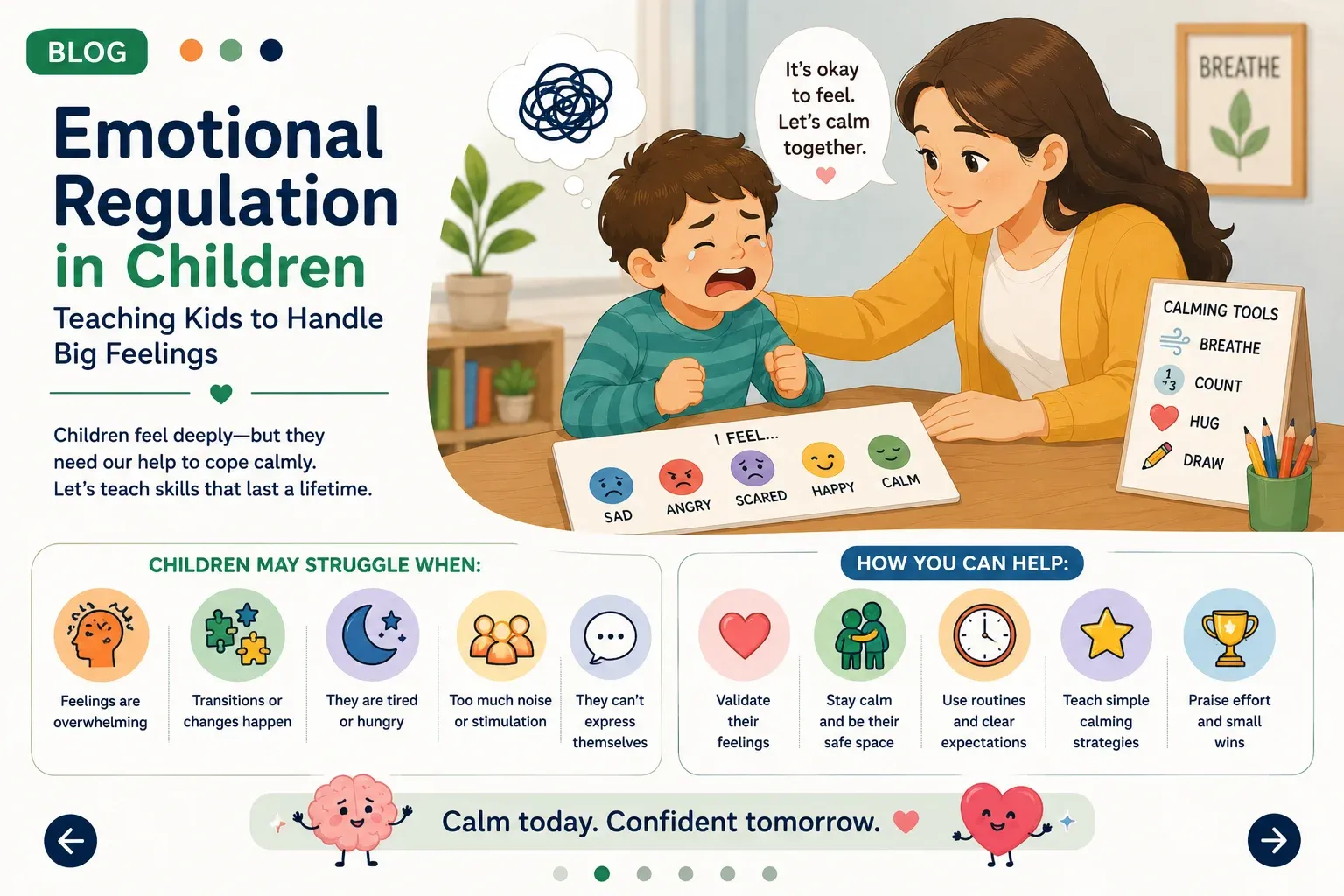
Educating extended family transforms criticism into unified, compassionate home support.
How to Use the "Diabetes Analogy" with Elders
When relatives dismiss ADHD as "acting out" or "pampering," arguments about modern psychology often fall on deaf ears. Instead, shift the conversation from a moral debate to a medical reality using an analogy every elder understands: Diabetes.
"When a person has diabetes, their body cannot regulate sugar on its own. We would never beat a child for having high blood sugar or tell them they are just being stubborn. We give them medical care, structure their meals, and help them regulate their body.
ADHD works the exact same way. His brain cannot regulate dopamine and executive attention the way other children do. His hyperactivity and restlessness are biological symptoms of his condition, not bad manners. He doesn't need harsh punishment—he needs structured routines and medical guidance."
Reframing neurodiversity through a physical health model helps grandparents understand that this is not about disrespect or poor parenting. It is about biological brain architecture.
"If we are strict enough with physical punishment, he will learn to sit still."
Harsh punishment increases fight-or-flight hormones, making an ADHD brain more impulsive, hyperactive, and anxious over time.
Share the Diabetes Analogy during a quiet, relaxed tea time when emotions are calm—never in the heat of an active behavioral crisis when relatives are upset.
Key Takeaways
- Extended family members often view neurodiversity through traditional moral lenses.
- Harsh punishment and spanking exacerbate neurological executive functioning delays.
- Use the Diabetes Analogy to explain that ADHD is a biological medical condition.
- Establish firm, loving boundaries to protect your child's home routines.
Frequently Asked Questions
What if in-laws continue to criticize my parenting behind my back?
Set a protective boundary: 'We are working closely with a clinical psychologist and following medical guidance for his brain development.' Keep routines consistent inside your child's immediate bedroom bubble.
Can grandparents be included in parent guidance sessions?
Yes. In our clinical practice, we frequently conduct joint family consultations in Urdu or English to gently educate elders, answer their cultural concerns, and build a unified, loving home environment for the child.
Protecting your child while maintaining family harmony is a delicate art. Book an online parent consultation to develop culturally attuned communication scripts for your household.