
Everyone told you the "terrible twos" would end. Then well-meaning relatives promised that the exhausting "threenager" phase would surely pass. But your child is now 4 — nearly 5 — and the meltdowns haven't just continued; they've gotten bigger, louder, longer, and far more physical.
You say "put your shoes on" for what feels like the 47th time on an ordinary Tuesday morning. Or you hand them their sandwich cut into triangles instead of squares. Within seconds, your preschooler is thrashing on the hallway floor, screaming at deafening volume, flailing their limbs, kicking the skirting boards, and gasping for breath. The episode doesn't stop after five minutes. It stretches to twenty, thirty, or even forty-five agonizing minutes.
At 2:00 AM, illuminated only by the glow of your smartphone screen, you find yourself frantically typing: "is it normal for a 4-year-old to still have massive meltdowns?" You fall into a rabbit hole of contradictory advice. One parenting blog tells you to "crack down with stricter timeouts and zero tolerance," while another insists "all feelings are valid; just hug them."
You end up trapped in an exhausting emotional double-bind: terrified you are overreacting to normal preschool stubbornness, and equally terrified that you are underreacting to an underlying developmental condition while precious early intervention time slips away.
As a clinical psychologist specializing in child development, let me say this directly: your parental instincts are not failing you. While all 4-year-olds experience big feelings, there are objective, scientific markers that separate developmentally typical frustration from clinical emotional dysregulation. Here is how we evaluate that boundary in the clinic—and what your child's nervous system is desperately trying to tell you.
In this article you'll learn
- The neurodevelopmental shift between age 2 and age 4 that alters typical emotional regulation.
- The 4 objective clinical thresholds: Frequency, Duration, Intensity, and Recovery time.
- The 3 clinical red flags separating a stubborn phase from ADHD, Autism, or Sensory Processing Differences.
- Why 'they will grow out of it' is one of the most detrimental phrases in developmental paediatrics.
- The actionable 'Traffic Light' assessment guide to know whether to modify home routines or book a clinical evaluation.
Developmental Norms: What Is Genuinely Typical at Age 4?
To understand why your 4-year-old is exploding, we must look at what is happening beneath the skull. At age 2 or 3, tantrums are primarily driven by expressive language limitations. A toddler knows what they want, but lacks the phonemes and vocabulary to communicate it, creating combustible frustration.
By age 4, however, a monumental neurodevelopmental leap occurs. The language cortex has expanded, theory of mind begins to sprout (realizing other people have different perspectives), and the brain begins myelination of the prefrontal pathways responsible for impulse control. Four-year-olds can speak in full sentences, bargain, describe what hurt them, and understand simple causes and effects.
Because of this cognitive maturity, typical frustration at age 4 looks fundamentally different from a toddler's tantrum:
- It has a visible, understandable goal: They are furious because you turned off their cartoon, refused a second biscuit, or ended playground time.
- It has an 'audience check': Typical tantrums retain some level of social monitoring. The child glances to see if you are watching, negotiating, or relenting.
- It resolves when the demand shifts or a compromise is found: If you offer an acceptable alternative or distract them with a fun transition, their nervous system re-engages within minutes.
- Safety is preserved: The child may stomp their feet, wail dramatically, or throw a soft pillow, but they rarely cause intentional physical harm to themselves, siblings, or property.
When an episode is an authentic neurological meltdown, however, the child is not trying to manipulate you. The prefrontal cortex has completely offline-switched into autonomic fight-or-flight. To understand this biological difference in depth, read our comprehensive guide on the clinical differences between tantrums and meltdowns.
The Fronto-Limbic Mismatch
The 4 Clinical Thresholds: When Meltdowns Cross the Line
In clinical psychology, we do not diagnose a child based on a single bad afternoon after a poor night's sleep or an oncoming ear infection. We evaluate four specific dimensions to determine if emotional storms are crossing the line into clinical dysregulation:
Developmentally Typical: 1 to 2 minor tantrums per week, usually clustered around obvious vulnerabilities like fatigue, illness, or skipping a meal.
Clinical Concern: Multiple intense meltdowns occurring daily, or 4 to 5 days every single week without an obvious physical trigger.
Developmentally Typical: 5 to 10 minutes. The child cries hard, catches their breath, and begins reorienting to the room.
Clinical Concern: Outbursts regularly surpassing 25 to 45 minutes, with some episodes lasting over an hour. The child gets locked into hyper-arousal and cannot self-downregulate.
Developmentally Typical: Loud tears, shouting "I hate you!", crossed arms, refusal to move, mild door-slamming.
Clinical Concern: Physical violence against parents or caregivers (hitting, biting, kicking, spitting), self-injurious behaviour (banging their head against tiles, biting their own arms, pulling their hair), or property destruction (throwing heavy chairs, shattering toys).
Developmentally Typical: Once calmed, the child accepts a hug or snack and transitions back to baseline play within 5 to 10 minutes.
Clinical Concern: The child remains in a fragile, irritable, or deeply exhausted state for several hours. Alternatively, they experience profound post-meltdown shame, sobbing inconsolably: "I'm a bad boy" or "My brain made me do it."
Understanding how children process big emotions requires mastering the basics of emotional regulation development in young children, where internal autonomic states dictate external reactions.
"If my 4-year-old is having huge meltdowns, it proves that my parenting is too soft and I need harsher punishments."
Severe meltdowns past age 3 are neurological, not disciplinary. Inflexible meltdowns occur when brain arousal overwhelms cognitive inhibition; isolating or punishing a child in fight-or-flight only heightens cortisol and prolongs the dysregulation cycle.
The 3 Clinical Red Flags: Tantrum Phase vs. Neurodivergence
When parents come to my clinic, they frequently ask: "How do I know if this is just a stubborn personality, or if my child has ADHD, Autism, or Sensory Processing Disorder?"
While every child requires a tailored assessment, these three distinct patterns strongly indicate that a child's meltdowns are driven by underlying neurodivergence rather than ordinary emotional growing pains:
Red Flag 1: Inflexible Cognitive Rigidity & Insistence on Sameness
All preschoolers appreciate predictability, but neurodivergent children often require absolute sameness to feel neurologically safe. Does your child experience a 40-minute catastrophic breakdown if you take a detour on the drive to nursery? Do they scream uncontrollably if their water is poured into the yellow cup instead of the blue one, or if you butter their bread before cutting it?
When micro-changes in the physical or procedural environment trigger immediate panic, it indicates executive dysfunction, cognitive inflexibility, or Pathological Demand Avoidance (PDA) profiles rather than simple defiance.
Red Flag 2: Overwhelming Sensory Triggers
A neurotypical child has tantrums about boundaries ("I want the toy"). A child with sensory differences has meltdowns about sensory assault ("This environment hurts my nervous system").
Watch your child's triggers closely. Do the worst meltdowns happen:
- When dressing in the morning (the seam in their socks, the label on their shirt, or the waistband of trousers)?
- In echoing, high-stimulation environments like supermarket aisles, children's birthday parties, or the nursery cloakroom?
- During routine grooming like washing hair, cutting nails, or brushing teeth?
If their explosions consistently follow sensory overload, their meltdowns are neurological survival reactions. Explore our clinical deep dive on sensory processing difficulties in childhood to map your child's sensory profile.
Red Flag 3: Caregiver Co-Regulation Triggers Violent Recoil
In typical child development, an upset 4-year-old seeks or eventually accepts the comforting arms, calm voice, and physical presence of their primary attachment figure. Even if they scream for the first three minutes, parental co-regulation acts as a soothing anchor.
With clinical emotional dysregulation or neurodivergent meltdowns, your presence can paradoxically accelerate the explosion. When you try to hug them, they physically lash out, scream louder, or drop into sensory defense. Any verbal reasoning ("It's okay, you're fine, take deep breaths") overloads their auditory processing and intensifies their panic.
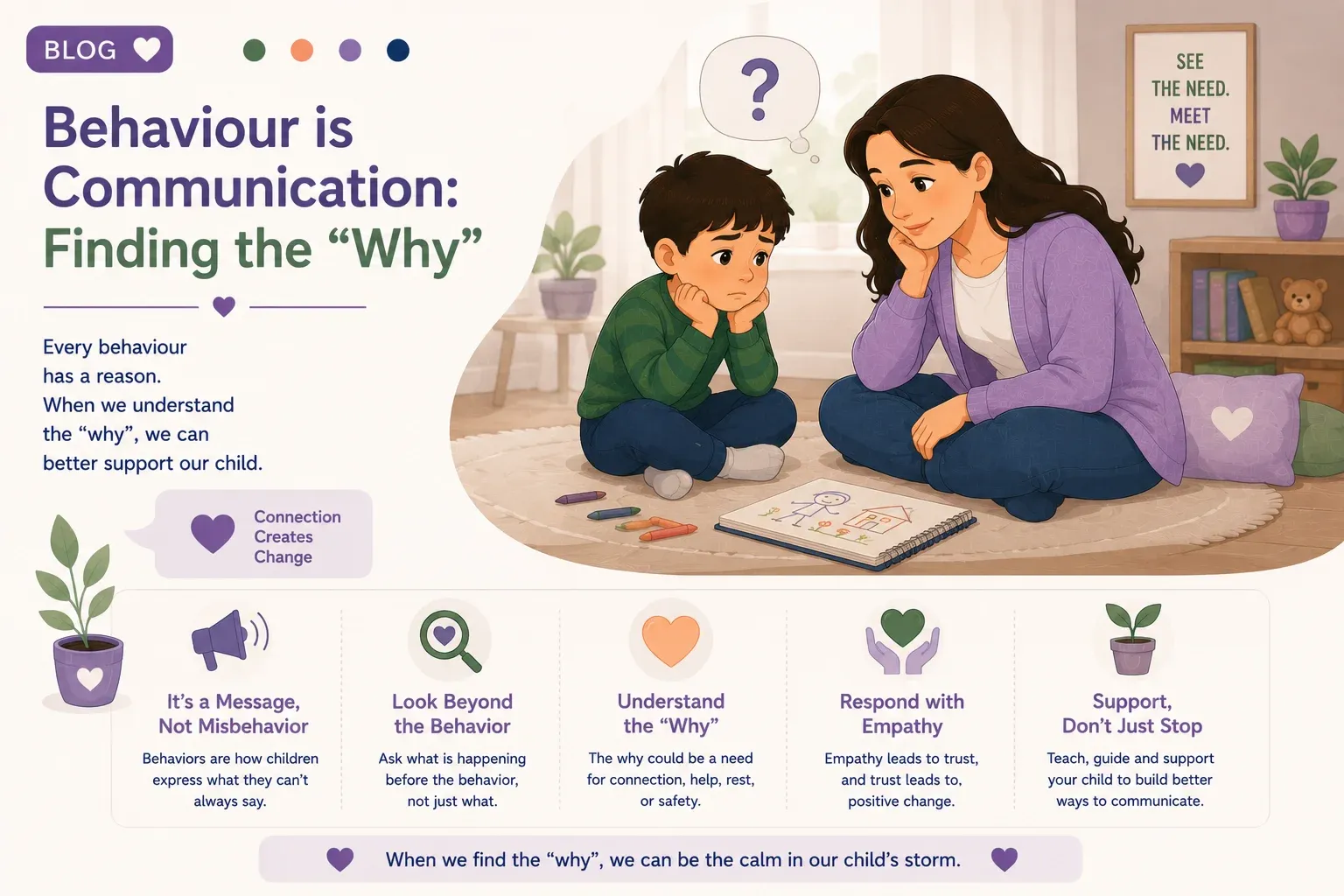
Always remember that all behaviour is communication. When a child rejects verbal comfort, their nervous system is in sensory shutdown.
Why "They'll Grow Out of It" Is the Most Dangerous Advice in Child Development
I cannot tell you how many parents sit on my clinic sofa with tears in their eyes and say: "Our health visitor told us at age 3 that he'd grow out of it. Our family doctor told us at age 4 to just wait until primary school. Now he is 6, he's being excluded from school, and our whole family is broken."
Neuroscience shows that the human brain develops more neural connections between ages 0 and 5 than at any other period in the lifespan. When a child spends ages 3, 4, and 5 stuck in chronic, daily fight-or-flight dysregulation, three dangerous compounding cycles occur:
- Neural Pathway Solidification: Chronic limbic activation strengthens the brain's threat-detection circuits, making the child hyper-vigilant and quicker to explode over smaller and smaller triggers.
- Negative Identity Internalization: By age 4, children perceive peer and adult reactions. If they are constantly scolded, isolated, or viewed as "difficult," they internalize the belief: "I am bad, broken, and unlovable." This breeds secondary childhood anxiety and depression.
- Parental Nervous System Exhaustion: Living with chronic unpredictability and walking on eggshells triggers parental trauma and severe caregiver burnout, eroding the parent-child attachment bond.
Seeking an evaluation is not "slapping a label on a toddler." It is uncovering the user manual for your child's unique brain before classroom demands escalate. To learn when the time is right, review our guide on when to seek a formal child developmental assessment.
The Clinical 'Traffic Light' Guide: Where Does Your Child Sit?
To help you evaluate whether your child needs immediate clinical intervention or proactive environmental scaffolding, use this clinical triage framework:
GREEN: Typical Preschool Frustration (Support at Home)
- Tantrums happen 1–2 times per week and last under 10 minutes.
- Directly tied to fatigue, hunger, transition away from a screen, or being told "no."
- No intentional self-harm or aggressive property destruction.
- Responsive to quiet distraction, gentle humor, or a hug once the peak passes.
- Child can describe their feeling afterwards: "I was mad because you said no."
AMBER: Watchful Scaffolding (Monitor Closely & Modify Environment)
- Meltdowns occur 3–4 times per week, lasting 15 to 25 minutes.
- Extreme difficulty with simple everyday transitions (leaving the house, bedtime, bath time).
- Nursery or preschool staff note that your child struggles during circle time or unexpected schedule shifts.
- Child requires prolonged 30-minute decompression routines before they can speak or eat.
- Action: Implement low-demand routines, visual schedules, and track triggers for 3 weeks.
RED: Clinical Referral Indicated (Seek Professional Assessment)
- Daily or multi-daily explosive meltdowns lasting 30 to 60+ minutes.
- Physical aggression: biting, kicking, head-banging, hitting parents, or destroying furniture.
- Meltdowns triggered by sensory stimuli (tags, noise, lights) or tiny deviations from routine.
- Caregiver soothing is actively rejected or triggers severe panic/rage.
- Significant impact on family functioning: avoiding public outings, nursery risk of exclusion, parental dread.
- Action: Book a developmental assessment with a clinical child psychologist or developmental paediatrician immediately.
What to Do During an Active Storm: Verbatim Scripts
When your 4-year-old is in the thick of a full-blown neurological meltdown, standard parenting techniques like reasoning, bargaining, or stern commands will fail. Their cognitive brain is literally offline.
Verbatim Low-Arousal Script During a Meltdown
Drop your volume, drop your body down to their eye level (at a safe distance), and use minimal words:
"I see how big this is. Your body is having a hard time. I am right here. You are safe. I will keep us both safe."
DO NOT ask questions like "Why are you doing this?" or "What do you want?". Do not demand eye contact. Protect their head from hard surfaces and remove dangerous objects silently.
Key Takeaways
- By age 4, tantrums should begin declining as cognitive, verbal, and emotional regulation skills mature.
- Clinical thresholds look at frequency (daily), duration (over 25 min), intensity (aggression/self-harm), and recovery time.
- Cognitive rigidity, sensory triggers, and violent recoil from parental comfort point toward ADHD, Autism, or SPD.
- 'They'll grow out of it' is dangerous advice that forfeits the most plastic window of early neurodevelopment.
- Use a 'Traffic Light' triage approach: implement low-demand scaffolding for Amber signs and seek clinical evaluation for Red signs.

Rabbia Ashraf
Clinical Psychologist | Child & Adolescent Development
Rabbia Ashraf is a dedicated Clinical Psychologist specializing in child and adolescent development. She provides parent coaching, developmental guidance, and psychoeducation.
Need Professional Guidance?
Book a consultation with Rabbia Ashraf to discuss your child's development and receive evidence-based recommendations.