
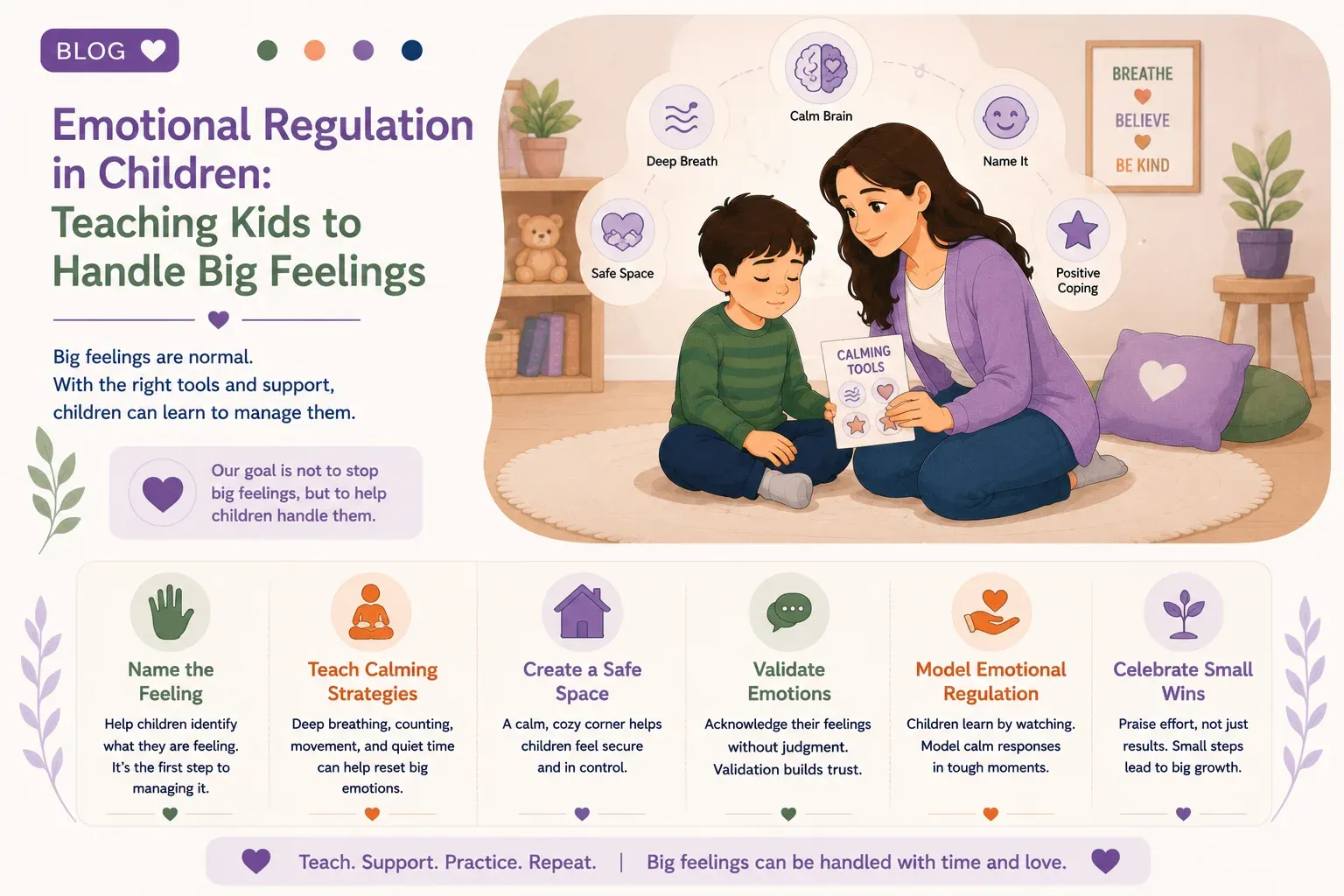
Few parenting experiences trigger visceral panic quite like a full-blown public meltdown.
Whether your child is neurotypical or navigating neurodevelopmental differences like ADHD or autism, having your child scream, drop to the floor, or lash out in a crowded shopping centre—or worse, right in front of visiting relatives—feels profoundly overwhelming. You feel all eyes on you. You worry people are thinking: "Can't she control her own child?"
In this article you'll learn
- Why public meltdowns escalate faster when parents feel social embarrassment.
- How children unconsciously use an audience to weaken parental boundaries.
- The 4-step sequence to de-escalate emotional storms in under 60 seconds.
- How to apply Grandma's Rule ('If-Then') without giving into demands.
The Trap of the Public Audience
Children—even very young ones—are remarkably perceptive. They know that in front of strangers or extended family, you are vulnerable. They recognize that social embarrassment weakens your boundaries. When parents scramble to negotiate, bribe, or scold loudly, they inadvertently escalate the crisis and unconsciously reinforce the very behavior they want to end.
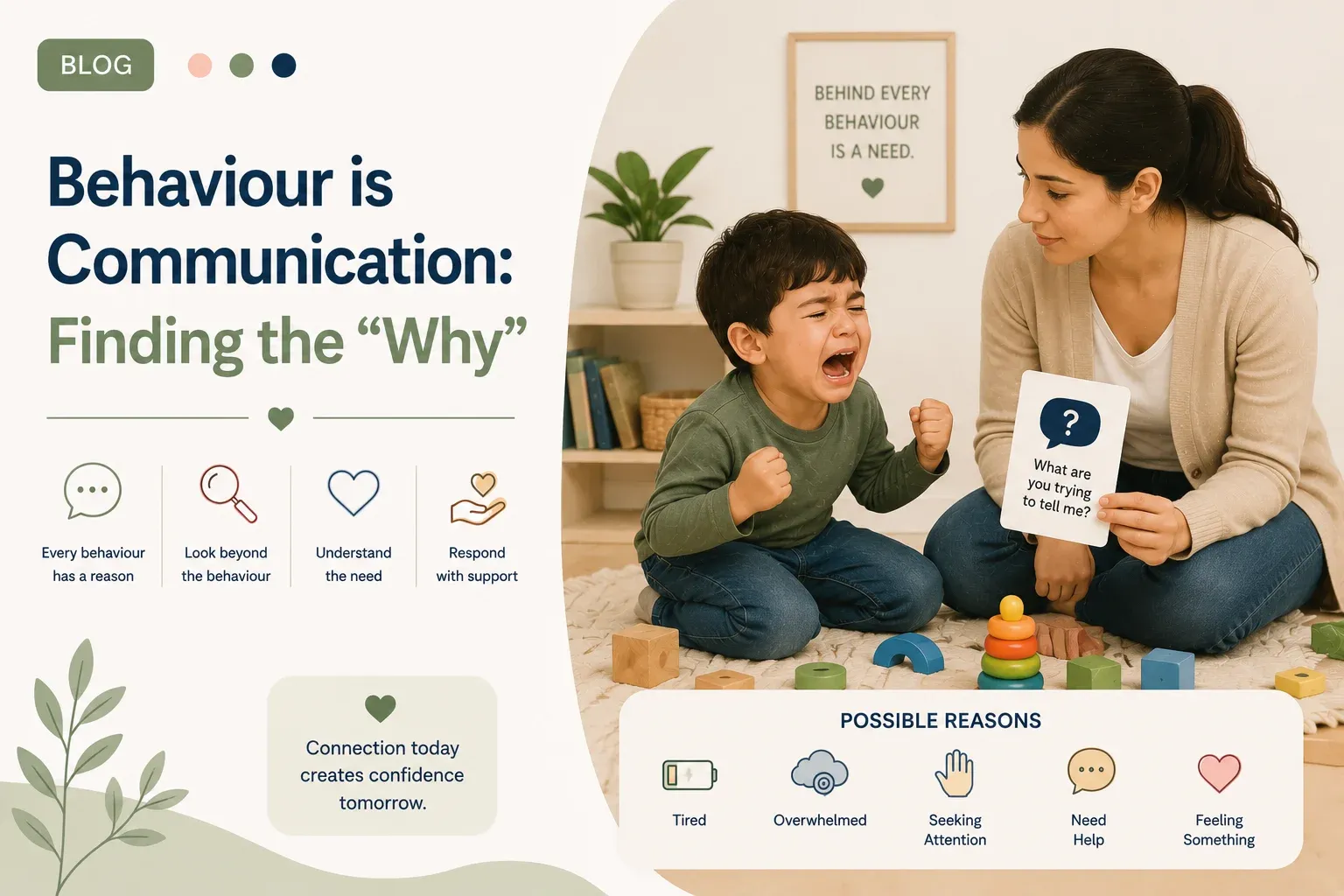
Every intense meltdown is an outward signal of internal neurological overwhelm.
The 60-Second De-escalation Protocol
When a public storm erupts, here is the exact clinical sequence I teach parents:
1. Check Your Own Nervous System First
You cannot co-regulate a dysregulated child with an agitated nervous system. Drop your shoulders, unclamp your jaw, and lower your vocal register. Silence the imaginary audience in the room. Your only job right now is your child's safety, not strangers' approval.
2. Secure Physical Safety
Quickly scan the physical environment. Position your body between the child and sharp corners, store shelves, or doorways. Ensure they cannot hurt themselves or bystanders.
3. Never Reinforce in the Heat of the Moment
Do not hand over the chocolate bar, the toy, or your phone just to buy public quiet. Doing so teaches your child’s nervous system that intense escalation is the fastest route to compliance.
4. Use the 60-Second "If-Then" Rule
Wait out the initial scream. Once there is a microscopic pause, crouch down to eye level and state a calm, low-friction If-Then boundary (Grandma's Rule):
"I want to hear you. If you pause your body for two seconds, then I will listen and we will solve this together."
You are asking for just two seconds of physical stillness before engaging. When they pause—even for a breath—acknowledge it instantly: "Thank you for pausing. Now tell me what's happening."
"If my child has a meltdown in public, I must scold them immediately so people know I am a strict parent."
In full meltdown, the rational brain is offline. Harsh reprimands add adrenaline to the fire. Calm co-regulation and holding boundaries resolves the crisis twice as fast.
When in public, position yourself physically between the crowd and your child. Turning your back gently toward onlookers creates an instant private visual cocoon that reduces sensory stimulation.
Key Takeaways
- Regulate your own nervous system first before attempting to manage your child.
- Never reward an explosive meltdown with treats or phones just to buy quiet.
- Ensure physical safety immediately by blocking hazards and crowd access.
- Use the 2-second pause If-Then boundary to teach emotional co-regulation.
Frequently Asked Questions
What if people are staring or making comments?
Remember: you are managing your child's brain state, not managing adults' opinions. Turn your back gently toward the onlookers to create a private visual bubble for your child until their breathing settles.
Does this work for both sensory meltdowns and tantrums?
Yes. In a sensory meltdown, safety and lowering stimulation are the priority. In a behavioral tantrum, holding the boundary while offering emotional co-regulation prevents the behavior from becoming a manipulation habit.
If public meltdowns are making you dread family gatherings, school pick-ups, or grocery trips, you don't have to navigate this through trial and error. In our 1-on-1 parent guidance sessions, we unpack your child's exact triggers and design customized co-regulation strategies that work in real life.